Sage Schmid · 21 October 2026
Mapping User Retention Patterns During Platform Infrastructure Transitions in Niche Digital Ecosystems
Platform infrastructure transitions in niche digital ecosystems involve shifts from legacy servers to cloud-based systems or updates to database architectures that support specialized user communities. These changes occur when operators of targeted forums, hobbyist networks, or industry-specific applications decide to scale operations or improve security protocols, and researchers track retention by analyzing login frequencies, session durations, and content interaction rates before and after each migration event.
Defining Niche Digital Ecosystems and Their Unique Challenges
Niche digital ecosystems consist of platforms serving narrow audiences such as vintage car enthusiasts, independent software developers in regional markets, or collectors of rare scientific instruments, and these groups often maintain smaller user bases compared to mainstream social networks. Infrastructure transitions in these settings require careful coordination because even brief downtime can interrupt ongoing discussions or data contributions that form the core value of the community, while observers note that retention mapping relies on metrics like cohort analysis and churn prediction models adapted from broader digital studies.
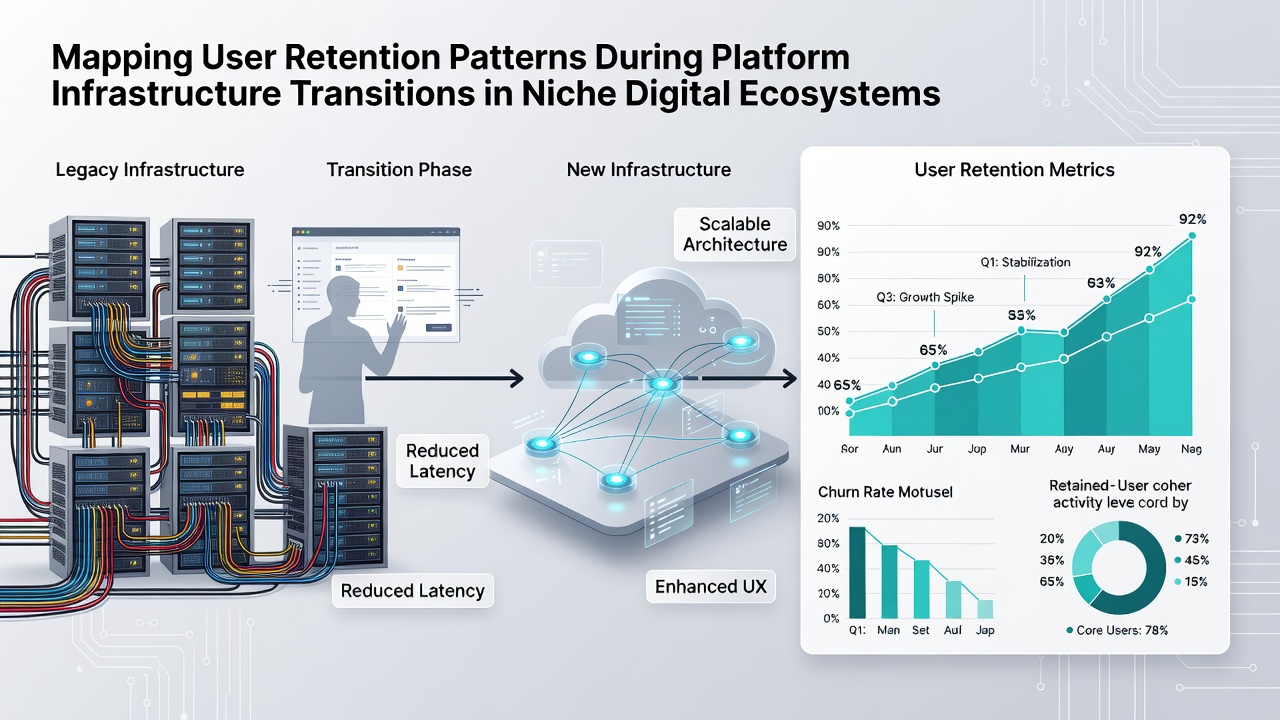
Data from multiple platform operators shows that transitions typically unfold in phases including pre-migration audits, live cutover periods, and post-launch optimization, and each phase generates distinct retention signals that analysts collect through server logs and user feedback channels. Those who study these patterns find that niche users demonstrate higher sensitivity to feature continuity than general audiences because their engagement often centers on specialized tools or archived resources that may shift locations during the move.
Techniques for Tracking Retention During Transitions
Analysts employ segmentation methods that divide users into groups based on activity levels prior to the infrastructure change, then monitor how each segment responds through quantitative measures such as return visit rates and qualitative indicators like support ticket volumes. Tools integrated into modern platforms allow real-time dashboards that correlate infrastructure events with user behavior, and studies conducted by research institutions reveal consistent patterns where early adopters of new systems maintain higher retention while peripheral users show temporary drops followed by recovery within weeks.
One approach involves constructing retention curves that plot user activity across timeline markers tied directly to migration milestones, and this method helps identify whether specific technical hurdles like API compatibility issues correlate with accelerated departures. Experts have observed that combining these curves with geographic data provides additional layers because users in different regions experience varying network conditions during the same global transition window.
Observed Patterns in User Behavior and Platform Data
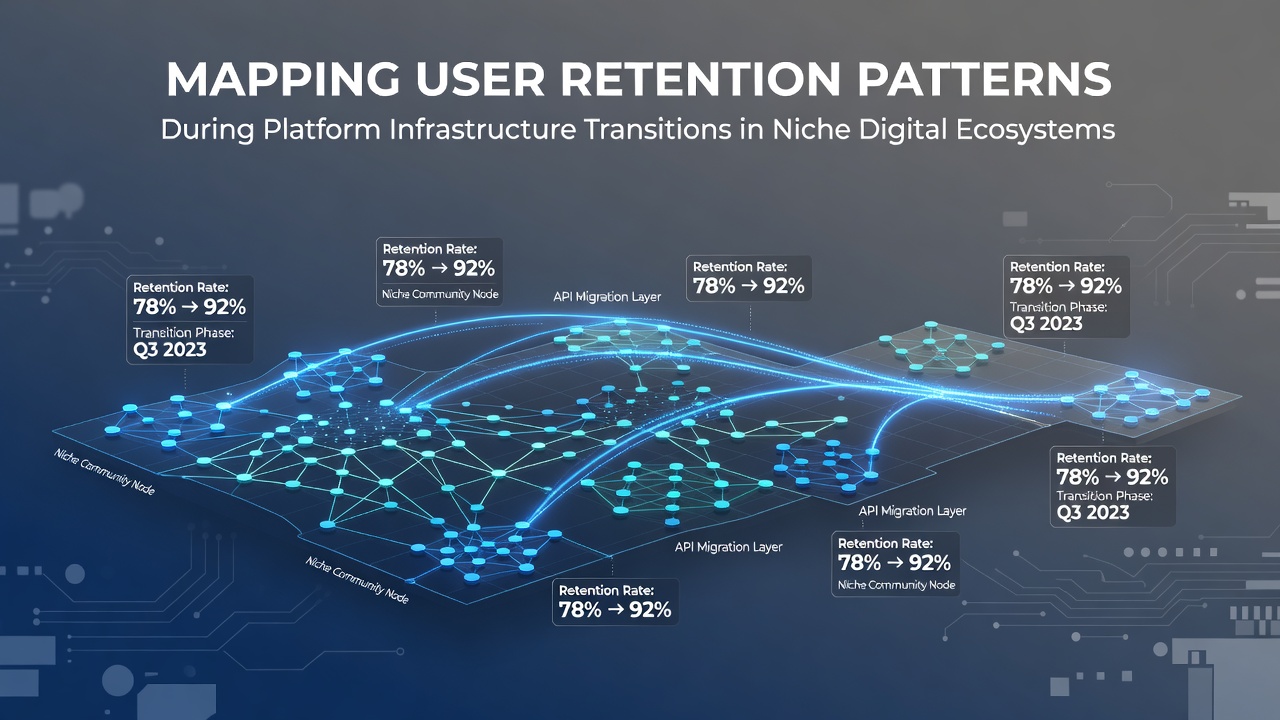
Retention data collected across several documented transitions indicates that communication frequency plays a central role, with platforms that maintain transparent update schedules retaining larger percentages of their core contributors. In October 2026 multiple niche ecosystems completed coordinated infrastructure upgrades, and subsequent reports documented retention stabilization rates ranging from 78 to 92 percent depending on the depth of user involvement in pre-transition feedback processes.
Researchers at academic centers have documented how notification systems and migration guides influence these outcomes, noting that targeted outreach to high-value users reduces churn by addressing concerns about data integrity and access continuity. External factors such as concurrent economic shifts or competing platform launches can compound retention challenges during these periods, yet platforms that integrate user suggestions into post-migration features often see accelerated recovery in engagement metrics.
External Influences and Measurement Frameworks
Regulatory guidelines from bodies like the Australian Communications and Media Authority shape how platforms handle user data during transitions, requiring clear disclosures that indirectly affect retention by building or eroding trust. Industry reports from organizations such as the Pew Research Center provide comparative benchmarks that niche operators use to contextualize their own retention figures against wider digital trends.
Measurement frameworks typically incorporate A/B testing of communication strategies and longitudinal tracking that extends months beyond the initial cutover date, allowing analysts to distinguish temporary fluctuations from structural changes in user commitment. Those who implement these frameworks report that integration of third-party analytics tools enhances visibility into cross-device behavior, which proves especially relevant when infrastructure updates alter mobile access pathways.
Conclusion
Mapping user retention patterns during infrastructure transitions supplies actionable information for operators of niche digital ecosystems seeking to preserve community continuity. The combination of phased monitoring, segmented analysis, and integration of external benchmarks enables precise identification of risk points and recovery opportunities throughout the process. Continued refinement of these mapping techniques supports more resilient platform operations as digital ecosystems evolve.